Energy Efficiency as a Means to Overcome Energy Poverty
Energy poverty is more than just high utility bills. It is a situation where a household lacks the resources to ensure adequate heating, hot water, lighting, and other essential energy services within their home.
Within the framework of a project in the municipalities of Khobi and Poti, 34 households received support to implement energy-efficient solutions. The beneficiaries include persons with disabilities, single parents, the elderly, and families with limited or seasonal income.
The support provided was tailored to the specific needs of each household: in Khobi Municipality, families received 10 energy-efficient stoves, 5 water heaters, 2 solar photovoltaic panels, and 5 "energy kits," while in Poti, they received 2 water heaters, 5 solar panels, and 5 energy kits. Although these technologies may appear different at first glance, they share a common goal: to help families reduce their energy consumption and financial expenditures without having to sacrifice their essential needs.
For instance, a family living in the village of Nojikhevi, in the Khobi Municipality, was previously able to use hot water only once a week due to limited income. Following the installation of a solar collector, the family now has access to hot water every day—at no additional utility cost.
Tsiala, a resident of Khobi, is a pensioner who lives with her adult child—also a pensioner—and a grandchild with a disability. The family relies on pensions and social assistance. After the installation of a 5 kW solar photovoltaic system, the family’s electricity bill was effectively reduced to zero, resulting in monthly savings of approximately 70 GEL. This is money that can now be directed toward other needs.
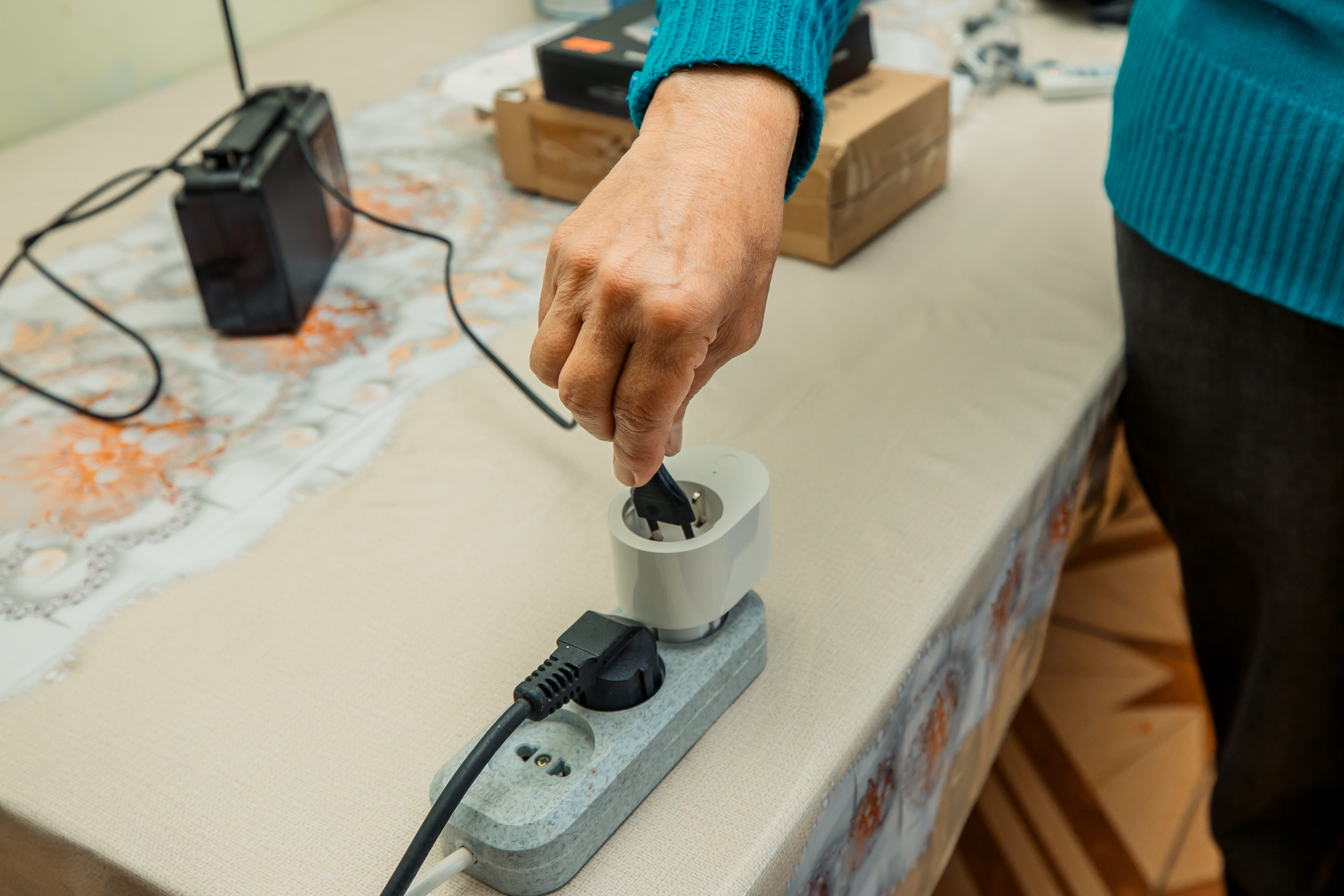
For Marine, a single pensioner living in the village of Torsa in the Khobi Municipality, energy efficiency takes the form of a combination of small changes: LED bulbs, solar-powered lights, a portable solar charger, a "smart" power outlet, thermal insulation films for windows, and sealing strips. These measures aim to reduce energy consumption and retain heat within the home more effectively.
For Maka’s family—where she and both her children are persons with disabilities, and the household is socially vulnerable—an energy-efficient stove means more effective heating, a reduction in fuel consumption by approximately half, and a healthier living environment.
This is precisely the primary social significance of energy efficiency: when a household requires less energy, its financial burden decreases. The money saved can then be used for food, medicine, children’s needs, or other essential expenses.
Reducing energy poverty is not just about increasing income; it also depends on how much energy a household requires to lead a dignified and comfortable life. Energy-efficient lighting, improved heating, thermal insulation, the efficient use of hot water, and renewable energy all serve to reduce this demand.
The support provided to 34 families under this project serves as a practical example of this approach—where energy conservation is no longer merely a matter of environmental stewardship, but also a means of providing social support, reducing household expenses, and creating better living conditions.
According to preliminary estimates, the implemented energy-efficiency solutions can significantly reduce energy-related costs for these families: the use of energy-efficient stoves can cut firewood consumption by up to approximately 50%; solar water heaters can save about 50–70% of the energy required for heating water; and the combined set of energy-efficiency measures is expected to reduce electricity consumption by approximately 20%. The impact of solar photovoltaic systems depends on a household’s initial consumption and the system's capacity; for the project's beneficiaries, monthly electricity bills dropped from approximately 50–70 GEL to practically zero.
After all, overcoming energy poverty begins precisely when a family no longer has to choose between heating, hot water, and other essential needs.
- +995 322 944 544
- communications@chca.org.ge
KUTAISI
Tel.: +995 577 960 444
E-mail: communications@chca.org.ge
TBILISI
Tel.: +995 577 960 444
E-mail: communcations@chca.org.ge
GORI
Tel.: +995 577 960 444
E-mail: gori@chca.org.ge
ZUGDIDI
Tel.: +995 577 960 444
E-mail: zugdidi@chca.org.ge
Vil. RUKHI
Tel.: 032 2 152 911
E-mail: hotline@chca.org.ge
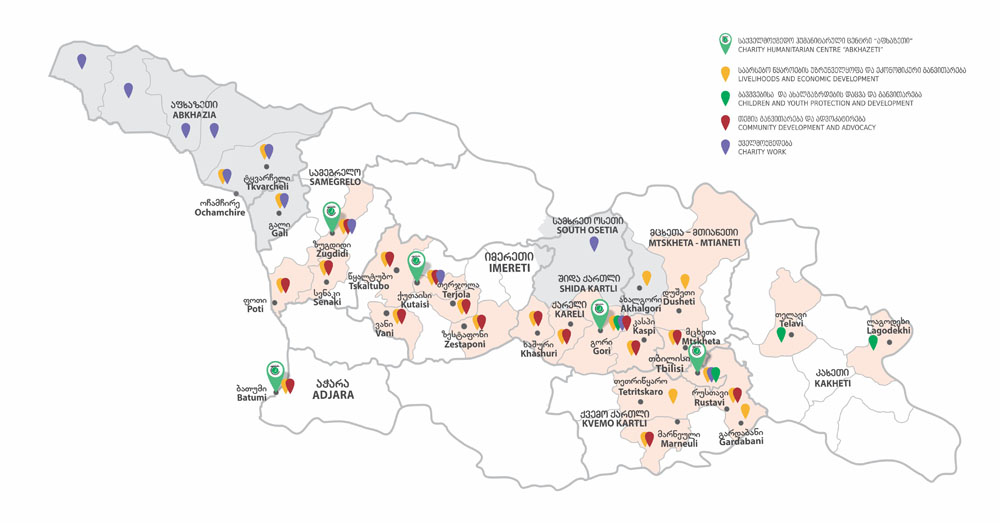
Where We Work